Summary

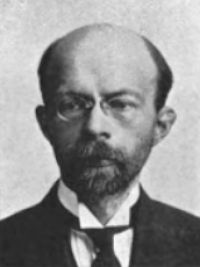
Portrait of C. H. C. Wright C. H. C. Wright A History of the Third French Republic

Since Agadir it is true that France, conscious of the constantly provocative attitude of Germany, had seen the folly of plans for disarmament. Love for the army had grown again, through realization of its necessity. But no nation ever looked forward with more horror and dread to military conflict than the French. They had been the last victims of a great European war, of which the memories were still alive. However much the loss of Alsace-Lorraine rankled in their hearts, they knew too well the madness of war to seek it again.
Source: Gutenberg

Portrait of C. H. C. Wright C. H. C. Wright A History of the Third French Republic

The leaders of the Commune were, some of them, sincere though visionary reformers, whose hearts rankled at the sufferings of the poor and the inequalities of wealth and privilege. The majority were mischief-makers and café orators, loquacious but incompetent or inexperienced, without definite plans and unfit to be leaders, some vicious and some dishonest. The rank and file soon became a lawless mob, ready to burn and murder, imitating, in their ignorant cult of "liberty," the worst phases of the French Revolution and its Reign of Terror.
Source: Gutenberg

Portrait of C. H. C. Wright C. H. C. Wright A History of the Third French Republic

Paris was wild with enthusiasm and eager for an advance on Berlin. The provinces were for the most part cool, but accepted the war calmly because they were assured of an easy victory. The leaders of the two nations had for each other equal contempt. "Ce n'est pas un homme sérieux," Napoleon had once said of Bismarck, and Bismarck thought Napoleon "stupid and sentimental." Meanwhile each nation had eyes on the territory of the other: France was ready to claim the Rhine frontier; Prussia wanted all it could get, and certainly Alsace and Lorraine.
Source: Gutenberg

Get perspective with Kwize: daily news enlightened by great literature