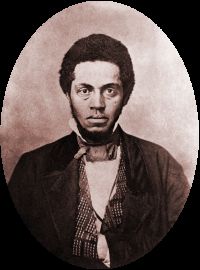
Jules Ferry

Definition and stakes

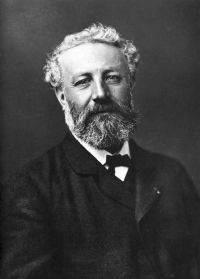
Jean Paul Hippolyte Emmanuel Adhémar Esmein,  1911 Encyclopædia Britannica (1911)

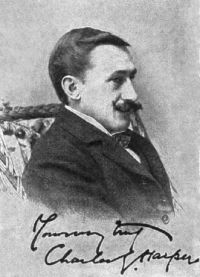
“ It was on the Tongking question that Ferry fell. On the 30th of March 1885, on the news of the defeat of the French troops at Lang-Son, the Chamber refused to vote the money for carrying on the campaign by a majority of 306 to 149. Since that day public opinion in France has made amends to the memory of Jules Ferry. His patriotic foresight has been extolled. Criticism has not been spared for the opponents of his policy in parliament of whom the most conspicuous, M. Clémenceau and M. Ribot, have survived to take a leading part in public affairs in the 20th century. ”
Source: Wikisource

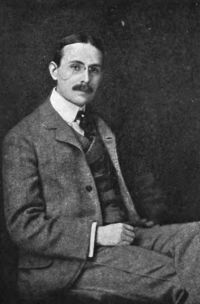
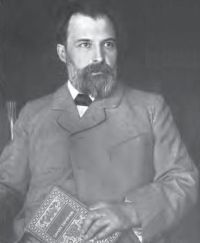
Portrait of Paul Carus Paul Carus,  The Venus of Milo: an archeological study of the goddess of womanhood

“ The great Thiers began his start in journalism by a study of this Venus and the riddle of her arms. So when he became president of the French republic he ordered the ambassador to Greece, Jules Ferry, to make a trip to Melos and pick up local tradition. Ferry did better. He found the son and nephew still alive, Antonio and Yorgos Jr. ‘They have grown to be beautiful old men—white-bearded, ruddy, robust and bright-eyed,’ reported Ferry. ”
Source: Gutenberg

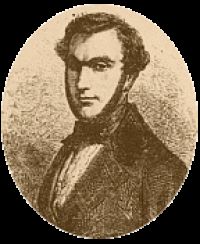
Portrait of George Chetwynd Griffith George Chetwynd Griffith,  The World Peril of 1910

“ There were six armoured cruisers, Jules Ferry, Leon Gambetta, Victor Hugo, Jeanne d'Arc, Aube and Marseillaise. These were all heavily armed and armoured vessels, all of them capable of manœuvering at a speed of over twenty knots. A dozen smaller protected and unprotected cruisers hung on each flank, and a score of destroyers and torpedo boats lurked in between the big ships. ”
Source: Gutenberg

Get perspective with Kwize: daily news enlightened by great literature