Trade union

Definition and stakes

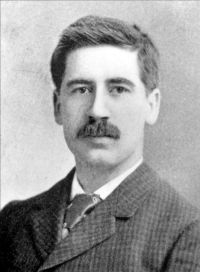
Georges François Renard Guilds in the Middle Ages

As the Trade Union movement develops in power and intelligence, it inevitably stretches out its hands towards the control of industry. The Trade Union, no doubt, begins as a mere bargaining body, “a continuous association of wage-earners for the purpose of maintaining or improving their conditions of employment”; but it cannot grow to its full stature without becoming far more than this, without claiming for itself and its members the right to control production.
Source: Gutenberg

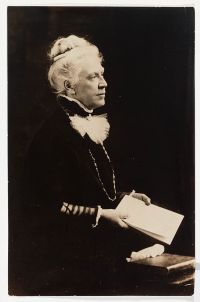
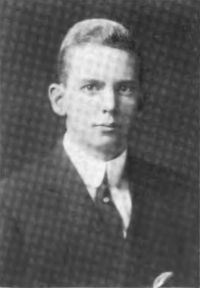
Portrait of Edward Potts Cheyney Edward Potts Cheyney An Introduction to the Industrial and Social History of England

The basis of the trade unions is arrangement by the collective body of wages, hours, and other conditions of labor for all its members instead of leaving them to individual contract between the employer and the single employee. The workman who joins a trade union therefore divests himself to that extent of his individual freedom of action in order that he may, as he believes, obtain a higher good and a more substantial liberty through collective or associated action.
Source: Gutenberg

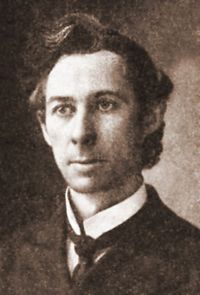
Portrait of Eugene V. Debs Eugene V. Debs Debs: His Life, Writings and Speeches…

We need not at this time trace the growth of the trade union from its small and local beginnings to its present national and international proportions; from the little group of hand-workers in the service of an individual employer to the armies of organized and federated workers in allied industries controlled by vast corporations, syndicates and trusts. The fact stands forth in bold relief that the union was born of necessity and that it has grown strong with the development of industry and the increasing economic dependence of the workers.
Source: Gutenberg

Get perspective with Kwize: daily news enlightened by great literature