Summary

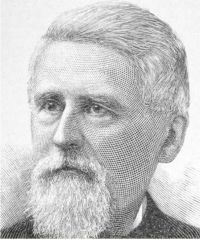
Portrait of Henry Charles Lea Henry Charles Lea The Cambridge Modern History, Volume 1… (1902)

The result of this was that Germany lay exposed defenceless to the rapacity and oppression of the Roman Curia. Its multitudinous sovereigns had vindicated their independence at the cost of depriving themselves of the strength to be derived from centralised union. Germany was the ordinary resource of a Pope in financial straits, through the exaction of a tithe, the raising of the annates, or the issue in unstinted volume of the treasure of the merits of Christ in the form of an unremitting stream of indulgences which sucked up as with a sponge the savings of the people.
Source: Wikisource

Portrait of Henry Charles Lea Henry Charles Lea The Cambridge Modern History, Volume 1… (1902)

The Church had acquired so complete a control over the souls of men, its venerable antiquity and its majestic organisation so filled the imagination, the services it had rendered seemed to call for such reverential gratitude, and its acknowledged claim to interpret the will of God to man rendered obedience so plain a duty, that the continuance of its power appeared to be an unchanging law of the universe, destined to operate throughout the limitless future.
Source: Wikisource

Portrait of Henry Charles Lea Henry Charles Lea The Cambridge Modern History, Volume 1… (1902)

The sacerdotal system, developed by the dialectics of the Schoolmen, had constructed a routine of external observances through which salvation was to be gained not so much by abstinence from sin as by its pardon through the intervention of the priest, whose supernatural powers were in no way impaired by the scandals of his daily life. Except within the pale of the pagan Renaissance, never was there a livelier dread of future punishment, but this punishment was to be escaped, not by amendment but by confession, absolution, and indulgences.
Source: Wikisource

Get perspective with Kwize: daily news enlightened by great literature