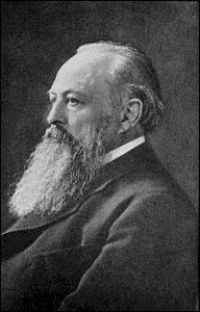
Julius II

Definition and stakes

J. H. Kurtz,  Church History (Volumes 1-3)

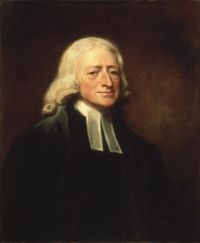
“ Julius II., A.D. 1503-1513.―Alexander’s successor, Pius III., son of a sister of Pius II., died after a twenty-six days’ pontificate. He was followed by a nephew of Sixtus IV., a bitter enemy of the Borgias, who took the name of Julius II. He was essentially a warrior, with nothing of the priest about him. He was also a lover of art, and carried on the works which his uncle had begun. His youthful excesses had seriously impaired his health. As pope, he was not free from nepotism and simony, in controversy passionate, and in policy intriguing and faithless. ”
Source: Gutenberg

The historians' history of the world in twenty-five volumes… (1905)

“ Julius II in vain congratulated himself on having expelled the French, who had first imposed a foreign yoke on Italy; he vowed in vain that he would never rest till he had also driven out all the barbarians; but he deceived himself in his calculations: he did not drive out the barbarians, he only made them give way to other barbarians; and the new-comers were ever the most oppressive and cruel. However, this project of national liberation, which the pope alone could still entertain in Italy with any prospect of [439] success, was soon abandoned. ”
Source: Gutenberg

The Great Events by Famous Historians…

“ Without meaning to contest the debt which the arts owe Leo X, there are certain reservations that we must make on this score. A man of letters, of amiable manners, astute, somewhat of a mischief-maker, ever fluctuating between France and the Emperor, ever on the watch to provide for his family, and, to redeem these defects, having neither heroism nor the undoubted though mistaken love that Julius II bore to Italy, his political career cannot, I think, be defended. ”
Source: Gutenberg

Get perspective with Kwize: daily news enlightened by great literature