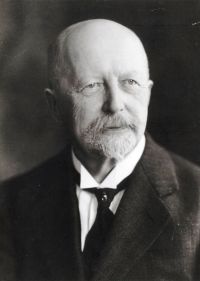
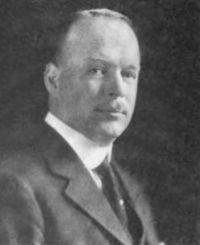
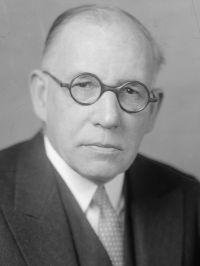
Louis Duchesne, Carlton H. Hayes & Theodore F. Collier

Biographical details

Louis Duchesne, Carlton H. Hayes & Theodore F. Collier 1911 Encyclopædia Britannica, Volume 15… (1911)

While moderate in personal expenditure, Julius resorted to objectionable means of replenishing the papal treasury, which had been exhausted by Alexander VI., and of providing funds for his numerous enterprises; simony and traffic in indulgences were increasingly prevalent. Julius was undoubtedly in energy and genius one of the greatest popes since Innocent III., and it is a misfortune of the Church that his temporal policy eclipsed his spiritual office.
Source: Wikisource

Louis Duchesne, Carlton H. Hayes & Theodore F. Collier 1911 Encyclopædia Britannica, Volume 15… (1911)

In November 1511 a council actually met at Pisa for this object, but its efforts were fruitless. Julius forthwith formed the Holy league with Ferdinand of Aragon and with Venice against France, in which both Henry VIII. and the emperor ultimately joined. The French were driven out of Italy in 1512 and papal authority was once more securely established in the states immediately around Rome. Julius had already issued, on the 18th of July 1511, the summons for a general council to deal with France, with the reform of the Church, and with a war against the Turks.
Source: Wikisource

Louis Duchesne, Carlton H. Hayes & Theodore F. Collier 1911 Encyclopædia Britannica, Volume 15… (1911)

He was loaded with favours during his uncle’s pontificate, being made bishop of Carpentras, bishop of Bologna, bishop of Vercelli, archbishop of Avignon, cardinal-priest of S. Pietro in Vincoli and of Sti Dodici Apostoli, and cardinal-bishop of Sabina, of Frascati, and finally of Ostia and Velletri.
Source: Wikisource

Get perspective with Kwize: daily news enlightened by great literature