Sixtus IV

Definition and stakes

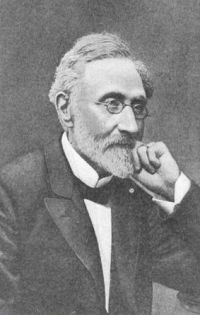
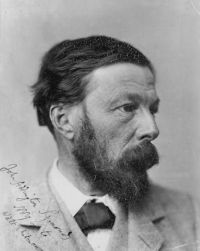
Portrait of John Addington Symonds John Addington Symonds,  Sketches and Studies in Italy and Greece…

“ In the same year, 1471, Francesco della Rovere was raised to the Papacy with the memorable name of Sixtus IV. Sixtus was a man of violent temper and fierce passions, restless and impatiently ambitious, bent on the aggrandisement of the beautiful and wanton youths, his nephews. Of these the most aspiring was Girolamo Riario, for whom Sixtus bought the town of Imola from Taddeo Manfredi, in order that he might possess the title of count and the nucleus of a tyranny in the Romagna. This purchase thwarted the plans of Lorenzo, who wished to secure the same advantages for Florence. ”
Source: Gutenberg

Portrait of John Addington Symonds John Addington Symonds,  Renaissance in Italy, Volume 1…

“ It may here be conveniently noticed that even the fierce Sixtus IV. showed intelligence as a patron of arts and letters. He built the Sistine Chapel, and brought the greatest painters of the day to Rome—Signorelli, Perugino, Botticelli, Cosimo, Rosselli, and Ghirlandajo. Melozzo da Forlì worked for him. One of that painter's few remaining masterpieces is the wall-picture, now in the Vatican, which represents Sixtus among his Cardinals and Secretaries—a magnificent piece of vivid portraiture. ”
Source: Gutenberg

Lives of the early Medici

“ On March 25th he denounced Sixtus IV. during service in the cathedral and solemnly proclaimed a Council. On July 20th he cited the Pope thus: “Francesco of Savona, son of the devil, you entered your Office not through the door, but through the window of simony. You are of your father the devil and labour to do your father’s will.” Sixtus excommunicated him and laid Basel under an interdict, of which no notice was taken. He was both angry and alarmed as he suspected the Emperor of secretly abetting the Archbishop, while Milan and Florence sent envoys to see how matters stood. ”
Source: Gutenberg

Get perspective with Kwize: daily news enlightened by great literature