Sistine Chapel

Definition and stakes

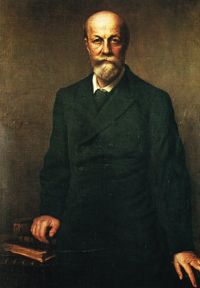
Portrait of Mór Jókai Mór Jókai,  Manasseh: A Romance of Transylvania

“ The Tenebræ is one of the most impressive of all the ceremonies of Holy Week in Rome. The Sistine Chapel is draped entirely in black, and only the soft rays of thirteen wax candles serve to lessen the darkness, out of whose depths, as out of the blackness of the tomb, sounds the antiphony of mourning and lamentation. The human forms moving to and fro before the cross are hardly distinguishable, but have the appearance of vague shadows. Then the candles are, one by one, extinguished, until only a single taper is left burning on the altar—that is Jesus. ”
Source: Gutenberg

John Bond,  In the Pillory: The Tale of the Borgia Pope… (1929)

“ A wild-eyed shouting mob surged about old St. Peter's, gesticulating with heads, hands and arms. The eager thousands pressed on toward the Sistine Chapel. All eyes were turned in the direction of the dimly lighted windows. Nothing could be seen there but a shadowy figure now and then moving about in deepest silence. What a curious contrast with the animation of the scenes below. Every corner of the square was black with humanity. The "pilgrim" stairs in front of the old basilica were covered with men and women who sought a little rest on its well-worn steps. ”
Source: Wikisource

The German Classics of the Nineteenth and Twentieth Centuries…

“ Thus the painting of the Last Judgment, with which, as the sum of his art, that giant spirit filled the Sistine Chapel, seems to remind us more of the first ages of the Earth and its products, than of its last. Attracted toward the most hidden abysses of organic, particularly of the human form, he shuns not the Terrible; nay, he seeks it purposely, and startles it from its repose in the dark workshops of Nature. Want of delicacy, grace, pleasingness, he balances by the extremest energy ”
Source: Gutenberg

Get perspective with Kwize: daily news enlightened by great literature