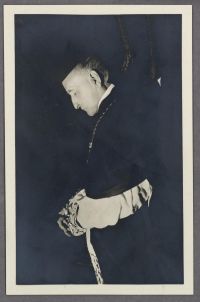
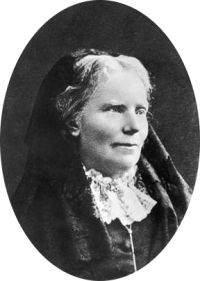
The infirmary, historically a sanctuary for the sick within monastic or charitable institutions, embodies both care and controversy. From Gorky’s depiction of its bustling urgency to Herzl’s critique of its dehumanizing stigma, authors have explored its dual role as a refuge and a site of social tension.
Monastic texts like Gasquet’s detail its structured routines, while Zakrzewska’s narrative underscores its moral significance. Berdoe contrasts it with hospitals, noting its tainted reputation, and Pallme reveals cultural anxieties surrounding treatment. These varied perspectives illuminate the infirmary’s complex legacy as a space of healing, duty, and societal reflection.
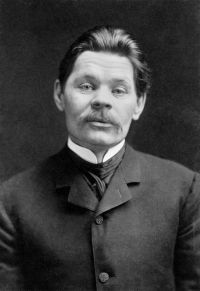 Maksim Gorky,
The Orloff Couple, and Malva
Maksim Gorky,
The Orloff Couple, and Malva