“ Locked up for years back there at the old farm. I've been away once—yes, I've been away. The State Asylum. I was prejudiced; I wouldn't have sent anyone of mine there; You know the old idea—the only asylum Was the poorhouse, and those who could afford, Rather than send their folks to such a place, Kept them at home; and it does seem more human. But it's not so: the place is the asylum. There they have every means proper to do with, And you aren't darkening other people's lives— Worse than no good to them, and they no good To you in your condition ”
Asylum
Definition and stakes
Asylum, historically a sanctuary for the persecuted, evolved from ancient religious refuges like Greek temples and Israel’s Cities of Refuge to establishments for the mentally ill. In antiquity, it provided legal shelter to criminals, debtors, or the oppressed, often linked to divine or communal authority.
Later, asylums transformed into places of confinement, as illustrated in 19th-century writings by Robert Frost, who criticized institutionalization, or Hiram Chase, who described the disordered conditions of mental hospitals. These accounts highlight changing societal views on vulnerability, fairness, and support, underscoring asylum’s dual function as both a haven and a prison.
Quotes about “asylum”
 Hiram Chase,
Two Years and Four Months in a Lunatic Asylum
Hiram Chase,
Two Years and Four Months in a Lunatic Asylum
“ Such is asylum life.I know one man, a dentist, who has been in the asylum ten times at least. There is a young man by the name of Bouck, from Schoharie, who has often been in the asylum. He comes under a high pressure of excitement; stays a few months and leaves. But while there, is regarded the lion of the establishment; fears nothing; is a giant in strength; will dash out windows with iron grates as though they were made of cobwebs; will climb on the side of the wall where no sane man would dare to venture. For such a case, perhaps the asylum is of some value. ”
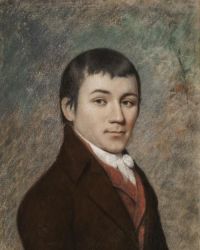 Charles Brockden Brown,
Arthur Mervyn; Or, Memoirs of the Year 1793
Charles Brockden Brown,
Arthur Mervyn; Or, Memoirs of the Year 1793
“ Some were on foot, bearing in their countenances the tokens of their recent terror, and filled with mournful reflections on the forlornness of their state. Few had secured to themselves an asylum; some were without the means of paying for victuals or lodging for the coming night; others, who were not thus destitute, yet knew not whither to apply for entertainment, every house being already overstocked with inhabitants, or barring its inhospitable doors at their approach. ”

Related terms
Authors who wrote about “asylum”
J. T. ArlidgeHiram Chase Daniel Hack Tuke
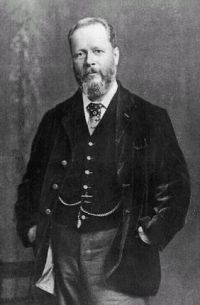 Herman Charles MerivaleMoses SwanJohn Ainslie Torrance
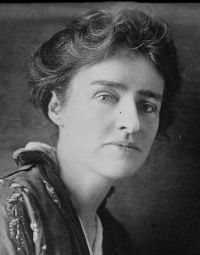 Jean WebsterRobert James RowletteJacob Riis
 Nellie BlyVarious
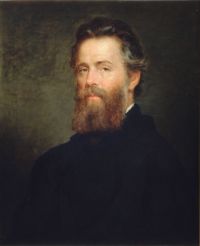 Herman Melville
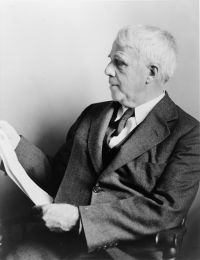 Robert Frost
 Eugene V. Debs
 Victor HugoCharles Brockden Brown
 Harriet Martineau
 Mary Elizabeth Braddon
 Frederick MarryatEdmondo De Amicis
Hiram ChaseDaniel Hack TukeHerman Charles MerivaleMoses SwanJohn Ainslie TorranceJean WebsterRobert James RowletteJacob RiisNellie BlyVariousHerman MelvilleRobert FrostEugene V. DebsVictor HugoCharles Brockden BrownHarriet MartineauMary Elizabeth BraddonFrederick MarryatEdmondo De AmicisRelated articles
The price of sanctuary: how the US conditions asylum on economic utility and assimilation
From historical Jewish refugees deemed 'paupers' to debates over asylum construction costs, the US has consistently valued sanctuary seekers based on economic potential and assimilation capacity. The core tension lies between the national ideal of refuge and the fear of creating a permanent public charge.
From inviolable right to conditional privilege: the paradox of modern asylum
The concept of permanent refuge is challenged by modern state policies that treat asylum as a temporary status contingent on geopolitical stability. This managerial approach substitutes an inherent, inviolable right with a conditional privilege, forcing a critical re-evaluation of protection's true meaning.
