Capella

Definition and stakes

Friedrich Kluge,  An Etymological Dictionary of the German Language (1891)

“ It is true that in MidHG. káppelle (ModAlem. käppelle) , with the G. accent also occurs, and hence the UpG. Kappel, Käppel, frequent names of villages. MidLat. capella has a peculiar history; as a dimin. of capa (comp. Kappe) it signified ‘a cape’; the chapel itself, in which the cloak of St. Martin and other relics were preserved, first obtained the name of capella; then from about the 7th cent. ”
Source: Wikisource

1911 Encyclopædia Britannica, Volume 5… (1911)

“ It is also suggested that the capella was simply the tent or canopy which the French kings erected over the altar in the field for the worship of the soldiers. However this may be, the name capellanus was generally applied to those who were in charge of sacred relics: such officials were also known as custodes, martyrarii, cubicularii. Thus we hear of a custos palatinae capellae who was in charge of the palace chapel relics, and guarded them in the field; the chief of these custodes was sometimes called the archicapellanus. ”
Source: Wikisource

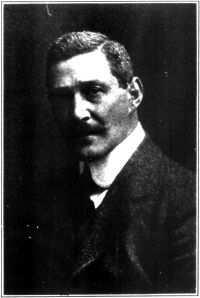
Portrait of Camille Flammarion Camille Flammarion,  Lumen

“ After a time, the duration of which I cannot guess, I arrived upon the same ring and upon the same mountain, from which I had first kept watch when I saw the old men occupied in following the history of the Earth, seventy-one years and eight months ago. They were still absorbed in the contemplation of events happening in the city of Lyons on the 23rd of January 1793. I will avow to you the reason of the mysterious attraction of Capella for me. For marvellous as it may seem, there are in creation invisible ties which do not break like mortal ties ”
Source: Gutenberg

Get perspective with Kwize: daily news enlightened by great literature