Icon

Definition and stakes

1911 Encyclopædia Britannica (1911)

“ ICON (through the Latinized form, from Gr. εἰκών, portrait, image) , generally any image or portrait-figure, but specially the term applied to the representations in the Eastern Church of sacred personages, whether in painting or sculpture, and particularly to the small metal plaques in archaic Byzantine style, venerated by the adherents of the Greek Church. See Iconoclasts; Image-Worship; Byzantine Art. ”
Source: Wikisource

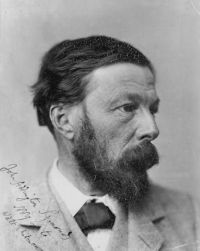
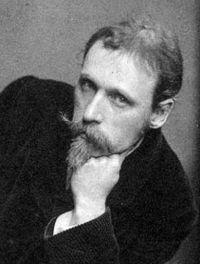
Portrait of Plutarch Plutarch,  Plutarch's Lives (1864)

“ Iconic (from the Greek icon or eikon, the word that is used in the title Ikon basilike, and forms part of the compound iconoclast, and means an image or likeness) was a technical term applied in Latin, as well as Greek, to real portraitures from the life, as distinguished from ideal representations.
Page 105.—Aristotle has a long chapter in his Problemata (XXX., 1) on this subject. Why is it, he asks, that all remarkable men that have ever lived, in philosophy, politics, poetry, or the arts, have been atrabilious (melan-cholie) ?
”
Source: Wikisource

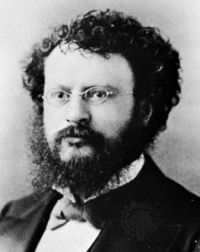
Portrait of Donald Mackenzie Wallace Donald Mackenzie Wallace,  Russia

“ Gradually it emancipated itself from archaic forms and childish symbolism, converted the lifeless typical figures into living individuals, lit up their dull eyes and expressionless faces with human intelligence and human feeling, and finally aimed at archaeological accuracy in costume and other details. Thus in the West the Icon grew slowly into the naturalistic portrait, and the rude symbolical groups developed gradually into highly-finished historical pictures. ”
Source: Gutenberg

Get perspective with Kwize: daily news enlightened by great literature