“ When the sun is calcining the plains of Castile, and the streets of Madrid are white with the hot light of midsummer, this palace in the clouds is as cool and shadowy as spring twilights. And besides, as all public business is transacted in Madrid, and La Granja is a day's journey away, it is too much trouble to send a courier every day for the royal signature,--or, rather, rubric, for royalty in Spain is above handwriting, and gives its majestic approval with a flourish of the pen,--so that everything waits a week or so, and much business goes finally undone ”
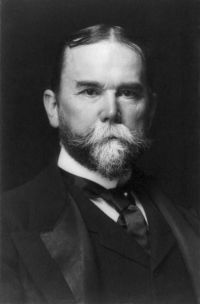
John Hay
Summary
"Castilian Days," a travelogue by John Hay, offers a vivid depiction of 19th-century Spain through careful observations of its culture, architecture, and social traditions. Focusing on Madrid and historic sites such as Toledo and the ruined castle of San Cervantes, Hay examines themes of tradition, superstition, and the lasting appeal of bullfighting, while contrasting the city's bureaucratic sluggishness with the lively, communal character of rural Castile.
His poetic descriptions of palaces, convents, and artistic legacy—such as the Gothic-influenced portals of Toledo—underscore Spain’s intricate relationship between history and identity. The work captures Hay’s deep interest in the country’s unwavering commitment to ritual and its intriguing mix of stagnation and energy, conveyed through expressive writing and incisive cultural insight.
Quotes from Castilian Days (John Hay)
“ Not one year has passed since then free from blood shed in her cause.But these extraordinary attractions are not necessary to make a festival of bulls the most seductive of all pleasures to a Spaniard. On any pleasant Sunday afternoon, from Easter to All Souls, you have only to go into the street to see that there is some great excitement fusing the populace into one living mass of sympathy. All faces are turned one way, all minds are filled with one purpose. From the Puerta del Sol down the wide Alcalá a vast crowd winds, solid as a glacier and bright as a kaleidoscope. ”
“ One morning at sunrise, I crossed the ancient bridge of Alcántara, and climbed the steep hill east of the river to the ruined castle of San Cervantes, perched on a high, bold rock, which guards the river and overlooks the valley. Near as it is to the city, it stands entirely alone. The instinct of aggregation is so powerful in this people that the old towns have no environs, no houses sprinkled in the outlying country, like modern cities. Every one must be huddled inside the walls. If a solitary house, like this castle, is built without, it must be in itself an impregnable fortress. ”
