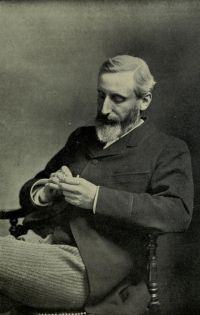
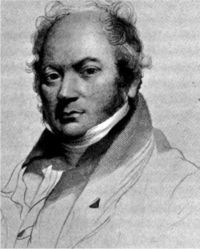
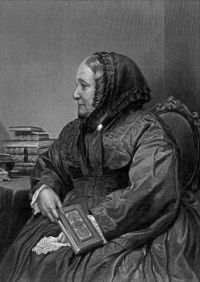
Peter Paul Rubens (1577–1640), a Flemish Baroque master, is celebrated for his dynamic compositions, vivid color schemes, and sensuous storytelling that epitomized the Counter-Reformation’s artistic ideals. His body of work spans historical painting, religious themes, and mythological scenes, reflecting both classical learning and humanist values. Authors such as William Makepeace Thackeray admired Rubens’s devotional subjects as demonstrations of his artistic skill, while Grant Allen emphasized his noble spirit and Italian influences.
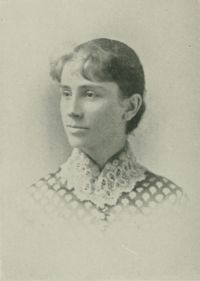
Opal Stanley Whiteley offered a fanciful perspective, envisioning Rubens’s joyful presence in nature, and S. L. Bensusan observed his extensive output and lasting appeal across Europe. These viewpoints collectively highlight Rubens’s role as a key figure whose work connected cultural and artistic movements, leaving a lasting imprint on Baroque expression.
 William Makepeace Thackeray,
Little Travels and Roadside Sketches
William Makepeace Thackeray,
Little Travels and Roadside Sketches