“ Thus I saw Rembrandt, the man who could tell me endless stories, and could conjure them up before my eyes with either brush, pencil, or etching needle. Whether heaven or earth; the heroes of old; or only a corner of old Amsterdam—out of everything he made the most beautiful drawings. His pictures of lions and elephants are wonderfully naïve. His nude figures of female models are remarkable, because no painter dared paint them exactly as he saw them in his studio, but Rembrandt, entranced by the glow and warmth of the flesh tints, never dreamt of reproducing them otherwise than as he saw them. ”
Rembrandt
Definition and stakes
Rembrandt, the 17th-century Dutch master, is celebrated for his innovative use of light and shadow, emotional depth, and unflinching realism. Authors like Jozef Israëls marveled at his ability to transform everyday scenes into vivid narratives, while John Forbes White and Paul George Konody emphasized his "intense humanity" and poetic vision.
Sidney Colvin noted his spiritual insight, portraying subjects in enigmatic, shadowed realms, and Sarah Tytler contrasted him with Rubens as a painter of darkness. These perspectives collectively underscore Rembrandt’s unique blend of technical skill and profound psychological depth, solidifying his legacy as a transcendent figure in art history.
Quotes about “Rembrandt”
John Forbes White and Paul George Konody, 1911 Encyclopædia Britannica (1911)
“ Rembrandt’s high position in European art rests on the originality of his mind, the power of his imagination, his profound sympathy with his subjects, the boldness of his system of light and shade, the thoroughness of his modelling, his subtle colour, and above all on his intense humanity. He was great in conception and in execution, a poet as well as a painter, an idealist and also a realist; and this rare union is the secret of his power. From his dramatic action and mastery of expression Rembrandt has been well called “the Shakespeare of Holland.” ”
 Sidney Colvin,
1911 Encyclopædia Britannica, Volume 10…
(1911)
Sidney Colvin,
1911 Encyclopædia Britannica, Volume 10…
(1911)
“ And Rembrandt’s profound spiritual insight into human character and personality did not prevent him from plunging his subjects, ever deeper and deeper as his life advanced, into a mysterious shadow-world of his own imagination, where all local colours were broken up and crumbled, and where amid the struggle of gloom and gleam he could make his intensely individualized men and women breathe more livingly than in plain human daylight. ”

Related terms
Authors who wrote about “Rembrandt”
Malcolm BellRichard Ford Heath Jozef IsraëlsJohn Forbes White and Paul George Konody
 Mortimer Menpes
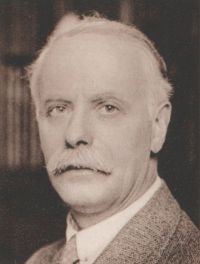 Arthur Mayger HindLouis A. HolmanCharles H. Caffin
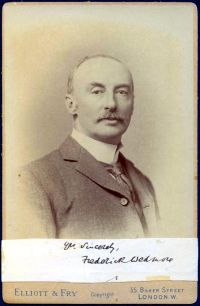 Sir Frederick WedmoreRandall DaviesEstelle M. HurllSarah TytlerJohn BurnetElisabeth Luther Cary
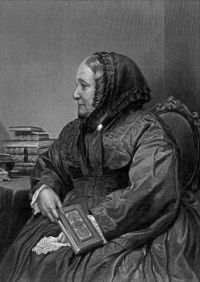 Mrs. Jamesoncomte Henri DelabordeSidney Colvin
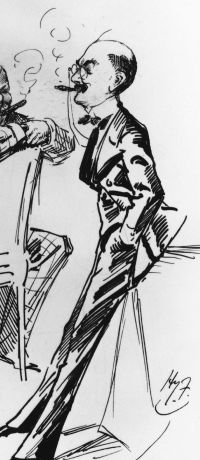 F. Anstey
 Leslie StephenBaroness Emmuska Orczy Orczy
Jozef IsraëlsJohn Forbes White and Paul George KonodyMortimer MenpesArthur Mayger HindLouis A. HolmanCharles H. CaffinSir Frederick WedmoreRandall DaviesEstelle M. HurllSarah TytlerJohn BurnetElisabeth Luther CaryMrs. Jamesoncomte Henri DelabordeSidney ColvinF. AnsteyLeslie StephenBaroness Emmuska Orczy Orczy