Sir Frederick Wedmore

Biographical details

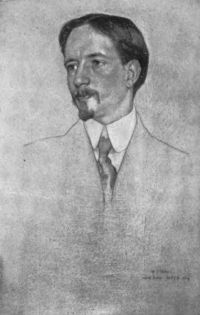
Portrait of Sir Frederick Wedmore Sir Frederick Wedmore Fine prints (1905)

For great Art of any kind, whether it be the painter’s, the engraver’s, the sculptor’s, or the writer’s, is not—it cannot be too often insisted—a mere craft or sleight-of-hand, to be practised from the wrist downwards. It is the expression of the man himself. It is, therefore, with great and new personalities that the study of an art, the contemplation of it—not the mere bungling amateur performance of it—brings you into contact. And there is no way of studying an art that is so complete and satisfactory as the collecting of examples of it.
Source: Gutenberg

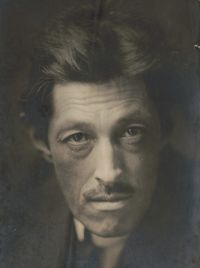
Portrait of Sir Frederick Wedmore Sir Frederick Wedmore Four Masters of Etching

SEYMOUR HADEN. Perhaps the two qualities which, as one gets a little blasé about the productions of Art, continue the most to stir and stimulate, and to quicken the sense of enjoyment, are the quality of vigour and the quality of exquisiteness. If an artist is so fortunate as to possess both these virtues in any fulness, he is sure not only to please a chosen public during several generations, but to please the individual student—if he be a capable student—at all times and in all moods, and, of the two, perhaps, that is really the severer test.
Source: Gutenberg

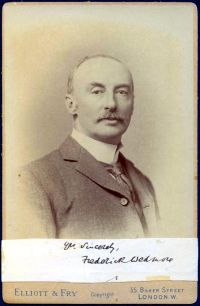
Portrait of Sir Frederick Wedmore Sir Frederick Wedmore On books and arts (1899)

Among the better writers, one tendency of the day is to devote a greater care to the art of expression—to an unbroken continuity of excellent style. The short story, much more than the long one, makes this thing possible to men who may not claim to be geniuses, but who, if we are to respect them at all, must claim to be artists. And yet, in face of the indifference of so much of our public here to anything we can call Style—in face, actually, of a strange insensibility to it—the attempt, wherever made, is a courageous one.
Source: Gutenberg

Get perspective with Kwize: daily news enlightened by great literature