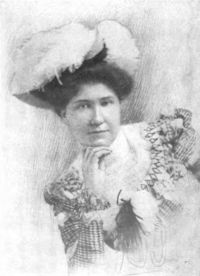
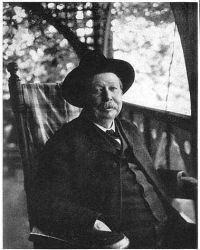
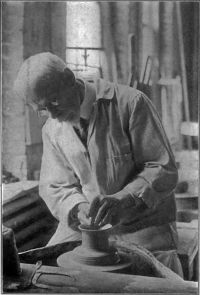
Craftsmanship signifies the expertise involved in skilled creation, combining technical accuracy with artistic vision. Authors such as Sir Frederick Wedmore stressed its intellectual and imaginative aspects, opposing the notion of reducing it to pure technique, while Helen Marot underscored its historical significance in nurturing individual creativity within industry. F.
Morley Fletcher connected the superiority of modern machinery to its origins in traditional craftsmanship, and John Ruskin praised the craftsman’s sense of pride in enhancing both art and community through lasting skill. Spanning from education to design, these viewpoints illustrate craftsmanship as a link between function and aesthetic value, grounded in commitment and heritage. The convergence of these perspectives highlights craftsmanship not as a relic, but as a vibrant interaction of ability, intention, and cultural inheritance.
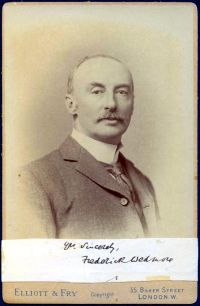 Sir Frederick Wedmore,
On books and arts
(1899)
Sir Frederick Wedmore,
On books and arts
(1899)