Pastel, an artistic medium made of powdered pigment and a binder, has long been admired for its vivid colors and textured application. Historically valued for its subtlety and luminosity, it rose to prominence in the 18th century, with artists such as Millet and Whistler utilizing its ability to capture transient light and delicate shades. The 1911 Encyclopædia Britannica commended pastel for its "unsurpassable harmonies" and durability, contrasting it with the fragility of oil and watercolor.
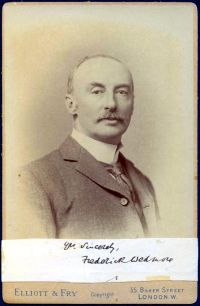
Gerharda Hermina Marius emphasized its effectiveness in portraying the "fleeting, evanescent" aspects of portraiture, while Richard Muther observed Millet’s skill in employing pastel to convey atmospheric landscapes. Sir Frederick Wedmore connected Whistler’s pastels to his "exquisite colourist" reputation, highlighting the medium’s adaptability. These viewpoints together confirm pastel’s lasting appeal as a means for both precision and poetic expression.