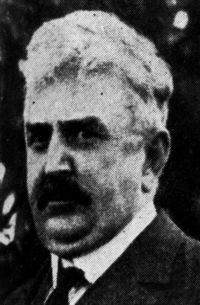
Portraiture, the artistic depiction of individuals, has long functioned as a link between appearance and interpretation, capturing not only physical traits but also the core of a subject's personality and feelings. From Clara Erskine Clement Waters’ belief that portraiture should aim to reveal a face’s “rare beauty” through imagined expression, to S. Baring-Gould’s appreciation for a portrait’s balanced artistry, writers have wrestled with its difficulties and achievements.
Edward Forbes traced its beginnings to early human efforts at depiction, while Georg Wilhelm Friedrich Hegel highlighted its role in matching facial features with expressive meaning. Whether through the psychological insight of Thomas Adolphus Trollope’s observations or the technical precision noted by George C. Williamson, portraiture emerges as both a reflection and a contemplation of human identity, merging skill with philosophical exploration.