Custard

Definition and stakes

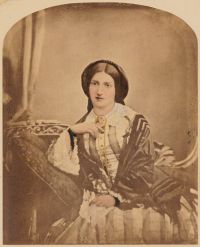
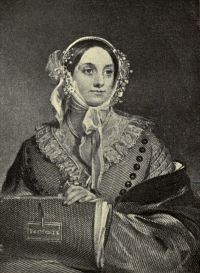
Portrait of Eliza Acton Eliza Acton,  Modern cookery for private families (1882)

“ From six to eight ounces of sugar will sweeten the custard sufficiently for general taste, but more can be added at will; boil this for a few minutes gently in the milk with a grain or two of salt, and stir the mixture briskly to the eggs, as soon as it is taken from the fire. Butter a round deep dish, pour in the custard, and place it in a pan of water at the point of boiling, taking care that it shall not reach to within an inch of the edge; let it just simmer, and no more, from an hour to an hour and a half: when quite firm in the middle, it will be done. ”
Source: Gutenberg

F. L. Gillette,  The Whitehouse Cookbook (1887)

“ When making boiled custard, set the dish containing the custard into another and larger dish, partly filled with boiling water, placed over the fire. Let the cream or milk come almost to a boil before adding the eggs or thickening, then stir it briskly one way every moment until smooth and well cooked; it must not boil or it will curdle.
To bake a custard, the fire should be moderate and the dish well buttered.
Everything in baked custard depends upon the regularly heated slow oven. If made with nicety it is the most delicate of all sweets; if cooked till it wheys it is hardly eatable.
”
Source: Gutenberg

Catherine Owen,  Choice Cookery

“ Colored Custard.—Prepare the custard with five yolks of eggs, a gill of cream or strong bouillon, and a pinch of salt; butter small saucers or cups; divide the custard in three—color one with spinach juice or pulp of green asparagus, another with red tomato pulp or the pulp of red carrot boiled, and a third with pulp of beets. A few drops of cochineal may be added to intensify the color of the last, which is apt to be a beautiful pink instead of red. The custard for which pulps are used must be strained after they are added, expressing as much of the juice as possible. ”
Source: Gutenberg

Get perspective with Kwize: daily news enlightened by great literature