Naïveté

Definition and stakes

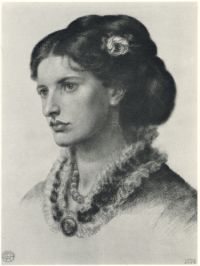
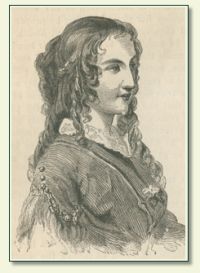
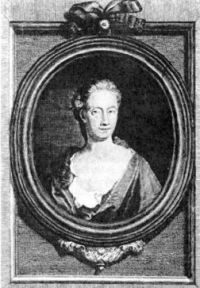
Portrait of Eliza Fowler Haywood Eliza Fowler Haywood Love in Excess; or, the Fatal Enquiry (1722)

But whatever Dominion, Honour and Virtue may have over our waking Thoughts, ’tis certain that they fly from the clos’d Eyes, our Passions then exert their forceful Power, and that which is most Predominant in the Soul, agitates the Fancy, and brings even Things impossible to pass: Desire, with watchful Diligence repell’d, returns with greater Violence in unguarded Sleep, and overthrows the vain Efforts of Day.
Source: Gutenberg

Portrait of Benedikte Naubert Benedikte Naubert Feudal tyrants; or, The Counts of Carlsheim and Sargans… (1807)

Almighty Providence, if ever I have murmured against thy decisions, if even now a tear of discontent steals down my cheek, oh! think on the weakness of human nature, and pardon mine! Still, still I suffer!—But doubtless there will one day come an hour, when time, or oblivion, the shadows of the grave, or the brightness of eternal life, will efface the memory of what I have endured.
Source: Gutenberg

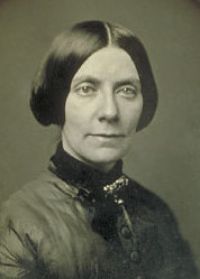
Portrait of Eliza Fowler Haywood Eliza Fowler Haywood Life's Progress Through the Passions…

The tranquility of being entirely devoid of all passions; and the impossibility for the soul to remain in that state of inactivity is also shewn; with some remarks on human nature in general, when left to itself.
I have already shewn, in the example of Natura, how not only resentment for injuries, but even the extremest and most justifiable rage, may be subjected to ambition, and afterwards how that ambition may be quelled and totally extinguished by grief; and also that grief itself, how violent soever it appears, may subside at the emotions of revenge.
Source: Gutenberg

Get perspective with Kwize: daily news enlightened by great literature