Summary

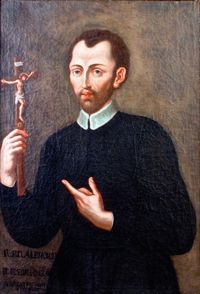
Portrait of Alphonsus Liguori Alphonsus Liguori Sermons for all the Sundays in the year… (1882)

If they did, they should certainly cease to love the world. What shall it profit them at the hour of death to have acquired all the goods of this world, if their souls must go into hell to be in torments for all eternity? How many has this maxim, sent into the cloister and into the desert? How many martyrs has it encouraged to embrace torments and death! In the history of England, we read of thirty kings and queens, who left the world and became religious, in order to secure a happy death. The consideration of the vanity of earthly goods made St. Francis Borgia retire from the world.
Source: Wikisource

Portrait of Alphonsus Liguori Alphonsus Liguori Sermons for all the Sundays in the year… (1882)

The ships signify the lives of men, which soon pass away, and run speedily to death; and if men have laboured only to provide themselves with earthly goods, these fruits decay at the hour of death: we can bring none of them with us to the other world. We, says St. Ambrose, falsely call these things our property, which we cannot bring with us to eternity, where we must live for ever, and where virtue alone will accompany us.
Source: Wikisource

Get perspective with Kwize: daily news enlightened by great literature