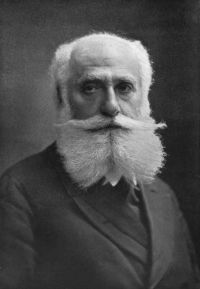
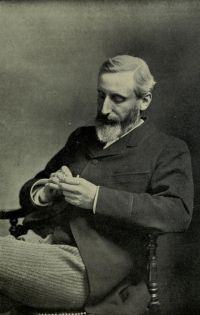
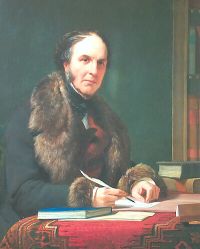
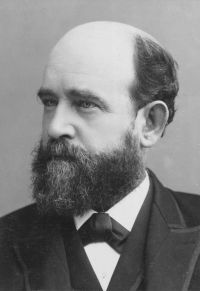
The concept of "goods" includes items or services that fulfill human needs, often examined from economic, moral, and philosophical perspectives. Economists such as Adam Smith and David Ricardo viewed goods as products of labor and trade, focusing on their role in determining value and societal prosperity. Meanwhile, philosophers like Aristotle and Nietzsche considered goodness as a moral attribute, connecting it to virtue, compassion, and human nature.
Writers from various disciplines, including John Stuart Mill and Anna Robertson Brown Lindsay, emphasized goods as both tangible objects and representations of human interaction. This dual nature—practical benefit and ethical importance—shows how "goods" act as a link between material life and moral goals, illustrating humanity's intricate connection to value.
 Frank A. Fetter,
The Principles of Economics, with Applications to Practical Problems
Frank A. Fetter,
The Principles of Economics, with Applications to Practical Problems