Frugality, a character trait defined by careful handling of resources and the avoidance of excess, has long been regarded as a virtue across cultures and time periods. From Cicero's perspective on it as a counterbalance to indulgence to Benjamin Franklin's association of frugality with diligence for economic stability, writers have examined its moral, economic, and philosophical aspects.
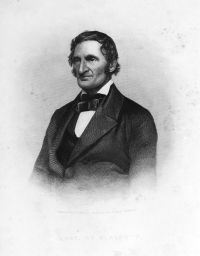
Adam Smith observed its presence in human behavior, while William Alcott criticized its misrepresentation as stinginess. Grounded in historical frameworks such as Puritan values and contemporary environmentalism, frugality presents itself as a measured approach to consumption, connecting personal restraint with broader sustainability.
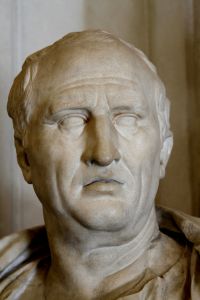 Marcus Tullius Cicero,
The Academic Questions, Treatise De Finibus…
Marcus Tullius Cicero,
The Academic Questions, Treatise De Finibus…