Summary

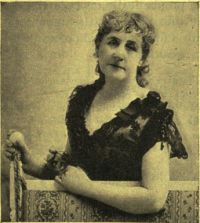
Portrait of Anna M. Fitch Anna M. Fitch Better days; or, A Millionaire of To-morrow (1891)

Labor at last pays all and capital pays nothing—all burdens of government, all expenses of courts and juries, and prisons and police, all cost of armies and navies. The diamonds which glitter upon the shirt front of the purchased legislator, the wine which hisses down the throat of the lobbyist, the steel doors and locks which guard watered stock and stolen bonds, the very powder and bullets which shoot out the life of maddened and insurgent labor, are all paid for out of the toil of the laborer.
Source: Gutenberg

Portrait of Anna M. Fitch Anna M. Fitch Better days; or, A Millionaire of To-morrow (1891)

The wealth owners themselves should be able to see that existing conditions must sooner or later find cessation either in relief or in revolution. Monopolies in transportation, intelligence, land, light, fuel, water, and food—all concealed in the impersonality of private corporations—now sit like vampires upon the body of American labor, and suck its life blood, and they have grown so bold and so rapacious that they even neglect to fan their victims to continued slumber.
Source: Gutenberg

Portrait of Anna M. Fitch Anna M. Fitch Better days; or, A Millionaire of To-morrow (1891)

The moral nature of the American people has, I fear, reacted from the tension of generous and patriotic sacrifice which war evolved. Some of the very men who helped to strike shackles from black slaves have been busy ever since forging other shackles for white slaves, and in twenty-five years from the days when we freely paid lives and treasure to preserve the existence of the nation, and free it from the wrong of slavery and the rule of a slave-holding oligarchy, we have passed under the sway of other despots, more selfish, more sordid, more relentless, and more rapacious of dominion.
Source: Gutenberg

Get perspective with Kwize: daily news enlightened by great literature