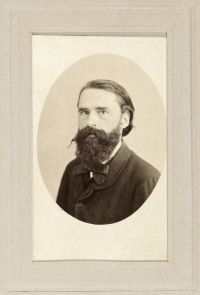
Giulio Romano

Definition and stakes

Giorgio Vasari,  Lives of the Most Excellent Painters… (1850)

“ When the Duke Federigo died, Giulio Romano, who had been much favoured by that prince, nay, beloved by him more than words could express, was so deeply grieved that he would have left Mantua, if the Cardinal, the brother of the Duke, on whom the government of the state had devolved, because his children were very young, had not retained him in that city; persuading him to abide where he had a wife and children, and possessed houses and villas, with every other means of enjoyment that needs to be demanded by the richest nobleman. ”
Source: Wikisource

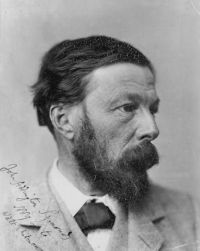
Portrait of Israel Zangwill Israel Zangwill,  Italian Fantasies

“ Guercino is still a god at Cento, his statue in the piazza, his pictures in the gallery. Possagno has a shrine with casts of all Canova. With what a gusto did the cicerones of Mantua talk of Giulio Romano! How the name rolled from the tongue, how it brightened a dingy fresco and glorified a dubious canvas. Si! Si! Tutto di Giulio Romano! Poor Giulio Romano! Not that those giants of yours tumbling on their heads in the Palazzo Te are as detestable as Dickens said. Those of David and Goliath in the great courtyard are even charming. ”
Source: Gutenberg

Portrait of William Michael Rossetti William Michael Rossetti,  1911 Encyclopædia Britannica, Volume 12… (1911)

“ He was buried in the church of S. Barnaba in Mantua. At the time of his death Giulio enjoyed an annual income of more than 1000 ducats, accruing from the liberalities of his patrons. He left a widow, and a son and daughter. The son, named Raffaello, studied painting, but died before he could produce any work of importance; the daughter, Virginia, married Ercole Malatesta.
Wide and solid knowledge of design, combined with a promptitude of composition that was never at fault, formed the chief motive power and merit of Giulio Romano’s art.
”
Source: Wikisource

Get perspective with Kwize: daily news enlightened by great literature