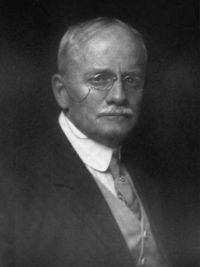
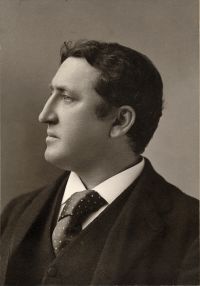
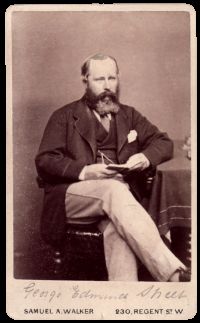
The Prado, a term frequently used to describe a public promenade or park, appears in literature as a lively center of social and cultural activity. Authors such as Edmondo De Amicis portray it as a vibrant, overwhelming blend of motion and celebration in Madrid, while W. H. Koebel emphasizes its tranquil charm as a Uruguayan garden. In Havana, William Seymour Edwards presents it as an emblem of urban sophistication, bordered by stately homes and spirited thoroughfares.
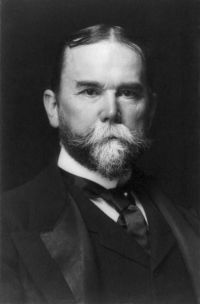
John Hay, on the other hand, contrasts this with Madrid’s Prado, depicting it as a seasonal focal point for fairs and local trade. These differing depictions highlight the Prado’s dual function as both a shared space for community and a mirror of regional character, connecting recreation, aesthetics, and civic identity across various cities.