“ There have been long years in which the name of Bartolomé Esteban, known to the world as Murillo, was one to conjure with. Velazquez, El Greco, Ribera, Zurburan, Goya, were long uncertain in their appeal, recognised only by the enlightened among their contemporaries and ignored by the great majority of their fellow-countrymen. The pendulum of taste swings slowly from one extreme to the other, and, as the moods and needs of men change so they cast their idols into the dust, where they remain until another generation restores what it can find to the old pedestals. ”
Bartolomé Esteban Murillo
Definition and stakes
Bartolomé Esteban Murillo (1617–1682) was a Spanish Baroque painter celebrated for his religious compositions and lively genre scenes portraying daily life, especially the experiences of children and women. His body of work, encompassing both sacred subjects and realistic depictions of everyday existence, captures the social character of 17th-century Seville. Scholars such as S. L.
Bensusan have highlighted his lasting impact, pointing to his unwavering commitment to artistic excellence and Andalusian heritage, while Thornton Wilder’s The Bridge of San Luis Rey subtly references his name, connecting him to wider cultural stories. Murillo’s blending of spiritual insight with humanistic observation, evident in pieces such as The Young Beggar, illustrates his position as a link between Baroque splendor and the personal truths of his age. His legacy, immortalized in masterpieces held in collections around the world, reveals an artist who surpassed his time through compassion and technical brilliance.
Quotes about “Bartolomé Esteban Murillo”
“ Bartolomé Esteban Murillo had his limitations, but remains, despite them all, one of the world's teachers, and such glimpses of his life as may be seen through the shadows of some two hundred and fifty years reveal him as a serious artist who added to splendid natural gifts a steadfastness of purpose, a determination to do his best, a love of Andalusia, and a devotion to the religion in which he was brought up that must compel the admiration of thinking men however critical, and enable the artist to stand alone. ”
Various, Harper's Young People, November 7…
“ I never gave you lessons," said the astonished painter."But you gave them to others, and I listened to them," rejoined the boy, emboldened by the kindness of his master."And you have done better than listen; you have profited by them," exclaimed Murillo, unable longer to conceal his admiration. "Gentlemen, does this boy merit punishment or reward?"At the word punishment Sebastian's heart beat quick; the word reward gave him a little courage; but fearing that his ears deceived him, he looked with timid and imploring eyes toward his master."A reward, señor," cried the pupils, in a breath. ”

Related terms
Authors who wrote about “Bartolomé Esteban Murillo”
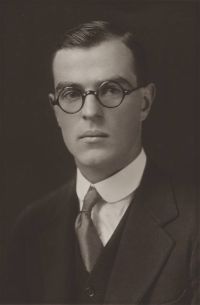 Thornton Niven Wilder
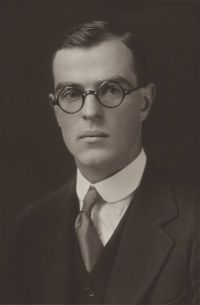 Thornton Wilder
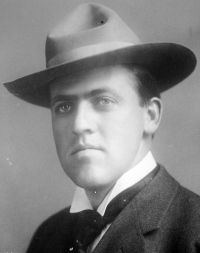 Rex Beach
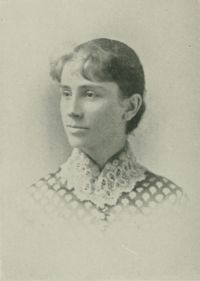 Jennie Ellis KeysorS. L. BensusanHenry D. InglisMary Schell Hoke BaconA. de Beruete y MoretVariousAlice J. KnightArthur Thomas Malkin
 Albert Frederick Calvert
 Sarah Knowles Bolton
 Edgar Rice Burroughs
 Matilda Betham-Edwards
 Bret Harte
 William Michael Rossetti
 T. S. Stribling
 John Stoughton
 Vicente Blasco Ibáñez