José de Ribera

Definition and stakes

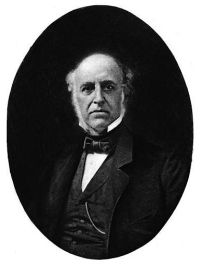
Charles H. Caffin,  The Story of Spanish Painting

“ While still a youth Ribera made his way to Rome, where his handsome face and evident ability attracted the notice of a cardinal, who took him into his house and would have cared for him that he might pursue his studies in comfort. But José, nothing if not independent, found the restraint irksome and went back to his rags and poverty, declaring that he needed the stimulus of necessity. He made copies of some of the Raphaels and the Caraccis in the Farnese palace, and even found means to visit Parma and Modena and study the works of Correggio. ”
Source: Gutenberg

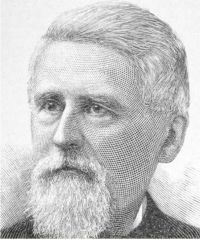
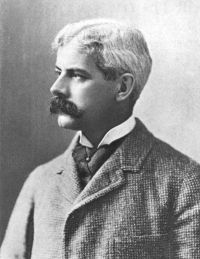
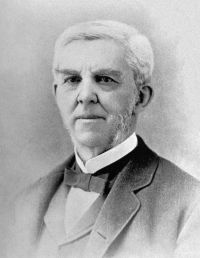
Portrait of Oliver Wendell Holmes Sr. Oliver Wendell Holmes Sr.,  Over the Teacups (1891)

“ In this matter of the literal reproduction of sights and scenes which our natural instinct and our better informed taste and judgment teach us to avoid, art has been far in advance of literature. It is three hundred years since Joseph Ribera, more commonly known as Spagnoletto, was born in the province Valencia, in Spain. ”
Source: Gutenberg

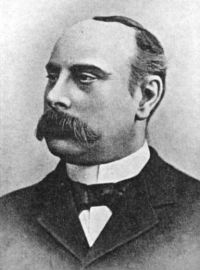
Clara Erskine Clement Waters,  A History of Art for Beginners and Students…

“ Few Italian artists were better known in their own country, and many of his pictures were sent to Spain. His greatest excellence was in his knowledge of anatomy, and he painted subjects that enabled him to show this. Among his famous works are a “Descent from the Cross;” “The Flaying of St. Bartholomew;” “Ixion on the Wheel;” and “Cato of Utica.” His works are in all the famous galleries of the world.
Ribera’s greatest pupil was Salvator Rosa (1615-1673) , the landscape painter, who was a very gifted man, being a poet and musician as well as an artist.
”
Source: Gutenberg

Get perspective with Kwize: daily news enlightened by great literature