Caravaggio

Definition and stakes

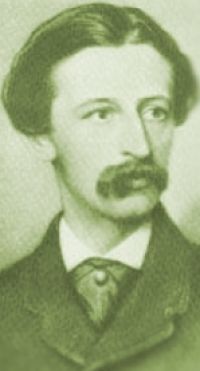
Portrait of John Addington Symonds John Addington Symonds,  Renaissance in Italy, Volumes 6 and 7…

“ His martyrdoms are inexpressibly revolting, without appeal to any sense but savage blood-lust. It seems difficult for realism, either in literature or art, not to fasten upon ugliness, vice, pain, and disease, as though these imperfections of our nature were more real than beauty, goodness, pleasure, and health. Therefore Caravaggio, the leader of a school which the Italians christened Naturalists, may be compared to Zola.
A Spaniard, settled at Naples—Giuseppe Ribera, nicknamed Lo Spagnoletto—carried on Caravaggio's tradition.
”
Source: Gutenberg

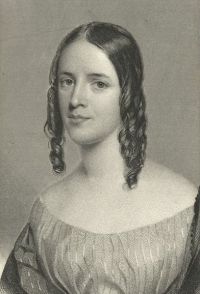
Portrait of Luigi Lanzi Luigi Lanzi,  The History of Painting in Italy…

“ Angiolo Caroselli was a Roman, in whose works, consisting chiefly of portraits and small figures, if we except the S. Vinceslao of the Quirinal palace, and a few similar pictures, we find the style of Caravaggio improved by an addition of grace and delicacy. He was remarkable for not making his design on paper, or using any preparatory study for his canvass. He is lively in his attitudes, rich in his tints, and finished and refined in his pictures, which are highly prized, but few in number, when we consider the term of his life. ”
Source: Gutenberg

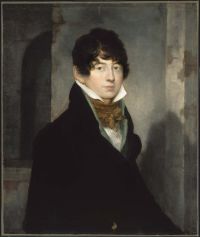
Portrait of Henry Fuseli Henry Fuseli,  The Life and Writings of Henry Fuseli…

“ After the middle of the sixteenth century, the flame-like rapidity of Tintoretto's style at Venice, and soon after, the powerful contrast of Caravaggio's method at Rome, and the eclectic system of the Carracci, at Bologna, spread general emulation over Italy, and divided Naples into three parties, of nearly equal strength, led by Corenzio, Ribera, and Caracciolo, differing from each other, but ready to unite against all foreign competition. ”
Source: Gutenberg

Get perspective with Kwize: daily news enlightened by great literature