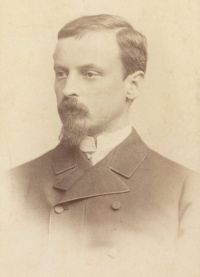
Émile Zola

Definition and stakes

Various,  Lippincott's Magazine, October 1885

“ The most powerful force in French fiction to-day is M. Emile Zola, chiefly known in America and England, I fear me greatly, by the dirt which masks and degrades the real beauty and firm strength not seldom concealed in his novels; and M. Emile Zola declares that the novelist of the future will not concern himself with the artistic evolution of a plot: he will take une histoire quelconque, any kind of a story, and make it serve his purpose,—which is to give elaborate pictures of life in all its most minute details. ”
Source: Gutenberg

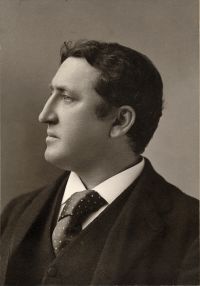
Portrait of David Christie Murray David Christie Murray,  My Contemporaries In Fiction

“ The chief apostle of the new movement towards entire freedom is, of course, Emile Zola. After having excited for many years an incredulous amazement and disgust, he is now almost universally recognised as an honest and honourable artist, and as a great master in his craft. Nobody who is at all instructed ventures any longer to say that Zola is indecent because he loves indecency, or is pleased by the contemplation of the squalid and obscene. We see him as he truly is—a pessimist in humanity—sad and oppressed, and bitter with the gall of a hopeless sympathy with suffering and distorted mankind. ”
Source: Gutenberg

Portrait of Émile Zola Émile Zola,  The Three Cities Trilogy: Paris…

“ When he took leave of the others at ten o'clock, in the little sleepy street just outside the house, tears suddenly dimmed his eyes. "Ah! I'm no longer a young man," he said; "it's all over this time. I shall never come back again. My bones will rest in some corner over yonder." And yet, after he had affectionately embraced Pierre and Guillaume, he drew himself up like one who remained unconquered, and he raised a supreme cry of hope. "But after all, who knows? Triumph may perhaps come to-morrow. The future belongs to those who prepare it and wait for it!" ”
Source: Gutenberg

Get perspective with Kwize: daily news enlightened by great literature