“ What events have followed your departure from Matanzas! What misfortunes have overtaken Esteban and me. That happiness could be so swiftly succeeded by misery, that want could follow plenty, that peril could tread so closely upon the heels of safety! Where to begin, how to tell you, I scarcely know; my hand shakes, my eyes are blinded—nor dare I trust myself to believe that this letter will ever reach you, for we are refugees, Esteban and I—fugitives, outcasts, living in the manigua with Asensio and Evangelina, former slaves of our father. Such poverty, such indescribable circumstances! ”
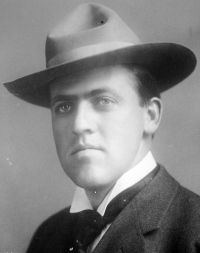
Rex Beach
Summary
"Rainbow's End," authored by Rex Beach, is a novel set against the turbulent backdrop of 19th-century Cuba, intertwining themes of riches, personal conflict, and the moral complexities of wealth. Centered on characters like Esteban, O'Reilly, and Norine, the narrative follows their struggles amid political unrest and the haunting legacy of the Varona treasure, which exerts a corrupting influence over their lives.
Through vivid depictions of shelter, destitution, and familial strife, Beach explores how material wealth can entangle human destinies in cycles of suffering and redemption. The work’s focus on treasure as both a symbol of power and a catalyst for ruin underscores its central preoccupation with the interplay between fortune and morality.
Quotes from Rainbow's End (Rex Beach)
“ I am very poor and sad and lonely, O'Reilly, but my cheeks are full and red; my lips could learn to smile again, and you would not be ashamed of me.Asensio is rising. He goes to find his horse and I must close. God grant this reaches you, some time, somehow. I trust the many blots upon the paper will not give you a wrong impression of my writing, for I am neat, and I write nicely; only now the ink is poor and there is very little of it. There is little of anything, here at Asensio's house, except tears. Of those I fear there are too many to please you, my Juan, for men do not like tears. ”
“ The sudden fury that filled Colonel Lopez's face was almost hidden by the gloom. "Yes. Oh yes!" he cried, quickly, "and you are but one of a hundred; I am another. In my command there is a standing order to spare neither Cobo nor any of his assassins; they neither expect nor receive quarter from us. Now, companero"—the Cuban dropped a hand on O'Reilly's bowed head—"I am sorry that I had to bring you such evil tidings, but, we are men—and this is war.""No, no! It isn't war—it's merciless savagery! To murder children and to outrage women—why, that violates all the ethics of warfare." ”
