The National Gallery, founded in 1824 in London’s Trafalgar Square, is a public art museum housing over 2,300 paintings spanning the mid-13th to 19th centuries. Unlike European institutions that originated from royal collections, it was established through the acquisition of John Julius Angerstein’s private collection and later contributions.
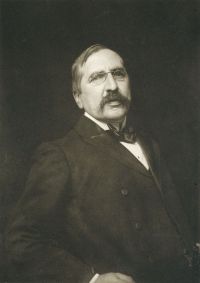
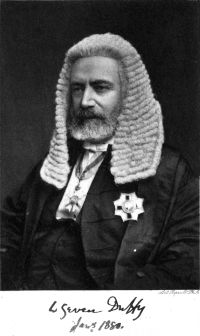
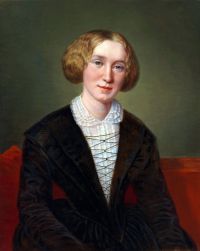
Writers have long reflected on its cultural importance: John Ruskin described it as a “library of art,” highlighting its function in safeguarding national creativity, while Sabine Baring-Gould observed the contrast between its subdued magnificence and the lively, less contemplative environment of the British Museum. Margaret Fuller emphasized its potential for public learning, proposing that encountering art could elevate everyday visitors. These viewpoints together illustrate the Gallery’s dual function as both a custodian of Western artistic tradition and a vibrant venue for shared cultural interaction.
 Sabine Baring-Gould,
A Book of Ghosts — A Dead Finger
(1904)
Sabine Baring-Gould,
A Book of Ghosts — A Dead Finger
(1904)