A harbor, a sheltered body of water where vessels can dock, embodies both practical utility and symbolic resonance. Natural harbors, like Sydney Harbour, offer protected anchorage, while artificial ones, such as Long Beach Harbor, reflect human engineering.
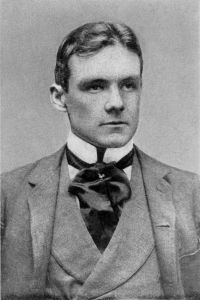
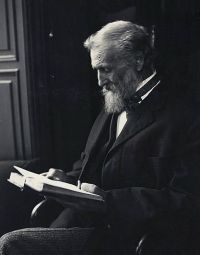
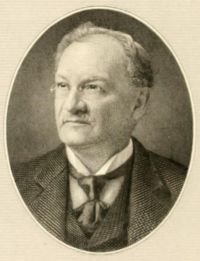
Literature frequently explores harbors as liminal spaces: Charles Baudelaire evokes their tranquil allure, Ernest Poole frames them as stages for societal struggle, and Harriet Beecher Stowe portrays them as sanctuaries after peril. These varied depictions underscore harbors’ dual role as physical refuges and metaphors for transition, security, and human effort. The theme thus bridges geography and imagination, revealing how such spaces shape both maritime history and narrative depth.
 Charles Baudelaire,
Baudelaire: His Prose and Poetry
Charles Baudelaire,
Baudelaire: His Prose and Poetry