Thomas More

Definition and stakes

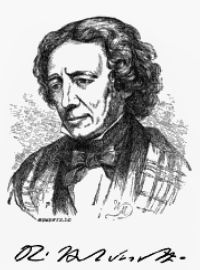
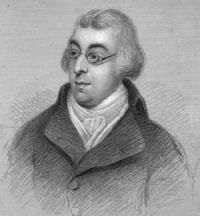
Portrait of Isaac Disraeli Isaac Disraeli,  Amenities of Literature

“ The conversations of Sir Thomas More were racy. His was that rare gift of nature, perfect presence of mind, deprived of which the fullest is but slow and late. His conversancy with public affairs, combined with a close observation of familiar life, ever afforded him a striking aptitude of illustration; but the levity of his wit, and the luxuriance of his humour, could not hide the deep sense which at all times gave weight to his thoughts, and decision to his acts. Of all these we are furnished with ample evidence. ”
Source: Gutenberg

Baron Thomas Babington Macaulay Macaulay,  Critical, Historical, and Miscellaneous Essays…

“ But when we reflect that Sir Thomas More was ready to die for the doctrine of transubstantiation, we cannot but feel some doubt whether the doctrine of transubstantiation may not triumph over all opposition. More was a man of eminent talents. He had all the information on the subject that we have, or that, while the world lasts, any human being will have. ”
Source: Gutenberg

Arthur D. Innes,  Ten Tudor Statesmen

“ More is one of the few men that have left their mark on our history, who has won the tribute of universal affection and esteem.
II
UNDER HENRY VII
Thomas More was born in London in 1478, seven years after Thomas Wolsey, and about the same length of time before Thomas Cromwell. There is a rather curious prevalence of the name Thomas among prominent men at this time, Cranmer being a fourth, and the youngest of the quartet. More’s father was a barrister, who later became a judge; a gentleman with a pleasant humour, a turn for economy, and conservative views.
”
Source: Gutenberg

Get perspective with Kwize: daily news enlightened by great literature