Euphrates

Definition and stakes

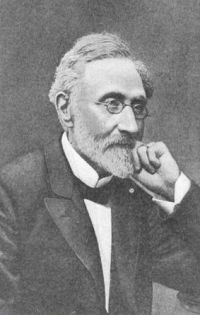
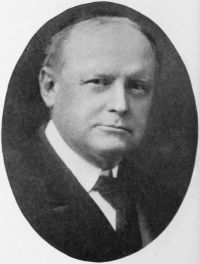
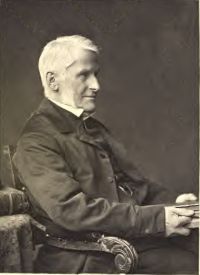
Portrait of J. A. Zahm J. A. Zahm,  From Berlin to Bagdad and Babylon (1922)

“ On our way thither we strolled along the east bank of the Euphrates which, in places, is fringed with stately palms whose feathery crowns are always a delight to the eye. Indeed, the palm is so indispensable a feature of an eastern landscape that no picture of a town or a river seems complete without groves and clumps of this most picturesque of oriental trees. I was glad to find so many of them bordering the Euphrates and the western ruins of Babylon, as I had always imagined that they must here, more than anywhere else, be an essential part of the environment. ”
Source: Gutenberg

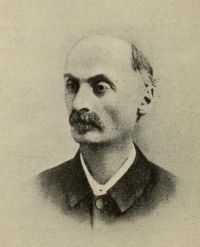
G. Maspero,  History of Egypt, Chaldæa, Syria…

“ The cities of the Euphrates attract no attention, like those of the Nile, by the magnificence of their ruins, which are witnesses, even after centuries of neglect, to the activity of a powerful and industrious people: on the contrary, they are merely heaps of rubbish in which no architectural outline can be distinguished—mounds of stiff and greyish clay, cracked by the sun, washed into deep crevasses by the rain, and bearing no apparent traces of the handiwork of man. ”
Source: Gutenberg

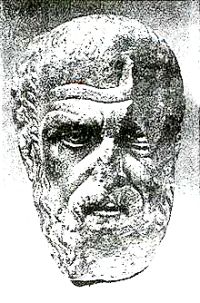
Henry C. Rawlinson, Charles W. Wilson and John P. Peters,  1911 Encyclopædia Britannica, Volume 9… (1911)

“ The middle Euphrates, from Samsāt to Hit, is to-day an avenue of ruins, of which only the more conspicuous or important have been indicated here. It was from a remote period, antedating certainly 3000 B.C., the highway of empire and of commerce between east and west, more specifically between Babylonia or Irak and Syria, and numerous empires, peoples and civilizations have left their records on its shores. ”
Source: Wikisource

Get perspective with Kwize: daily news enlightened by great literature