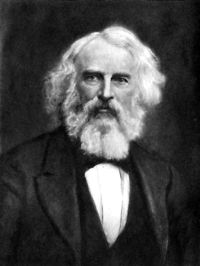
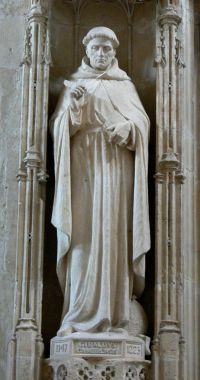
The concept of Mons, deeply embedded in the cultural and geographical fabric of Belgium, includes both the city itself and its symbolic significance in literature. Authors such as Victor Hugo and Henry Wadsworth Longfellow examined themes of religious devotion, monastic life, and communal identity, frequently reflecting on the relationship between spiritual authority and societal values.
For instance, Hugo’s depiction of a bishop’s moral determination and Longfellow’s portrayal of monastic chaos emphasize the conflicts between faith and human vulnerability. At the same time, mentions of "Monsignor" and monastic environments in works by Benson and Fitzgerald highlight the lasting impact of religious leaders in shaping stories of humility and purpose. These diverse perspectives together reveal Mons as a framework for exploring the convergence of faith, culture, and regional tradition in European literature.
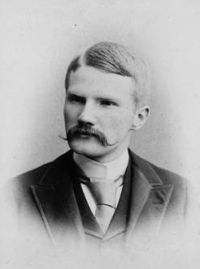
 Charles Dudley Warner,
What Is Your Culture to Me?
Charles Dudley Warner,
What Is Your Culture to Me?