A nunnery, historically a religious institution for women, has long symbolized both spiritual devotion and societal limitations. From Shakespeare’s metaphorical rejection of marriage in Hamlet to Eileen Power’s examination of medieval convent economies, the theme reveals a range of cultural viewpoints.
Works such as Maria Monk’s exposé and Edwin Waugh’s critiques highlight the tensions between faith and institutional secrecy, while others, like Joseph Bushnell Ames, depict it as a place of withdrawal from worldly concerns. These varied portrayals emphasize the nunnery’s dual function as a refuge and a location of moral examination, reflecting evolving attitudes toward women’s roles and religious life.
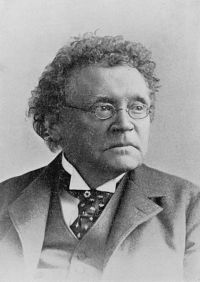 Francis James Child,
The English and Scottish Popular Ballads…
Francis James Child,
The English and Scottish Popular Ballads…