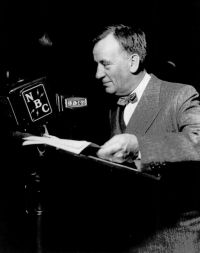
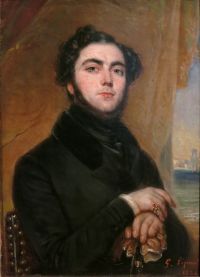
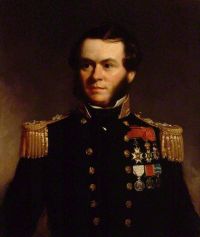
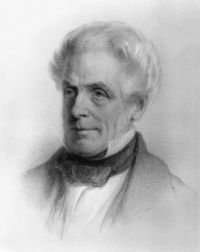
A flaw is a characteristic that deviates from an ideal or perfect state, often acting as a catalyst for conflict or self-reflection in literature. Authors have long examined this theme from diverse perspectives: John Stuart Mill connects personal shortcomings to broader human struggles, while Edgar Albert Guest portrays them as familiar elements of human nature. A. C.
Bradley underscores imperfections in tragic heroes, and Joseph Conrad links flaws to moral and psychological breakdown. Meanwhile, G. Stanley Hall focuses on societal tolerance for human mistakes, and Kenneth Grahame employs metaphor to illustrate flaws as sources of external hostility. These viewpoints together demonstrate that flaws are both personal weaknesses and universal symbols of human imperfection, deeply connected to themes of virtue, frailty, and moral complexity.
 John Stuart Mill,
Autobiography (Mill) — Chapter V. 1826-1832
(1874)
John Stuart Mill,
Autobiography (Mill) — Chapter V. 1826-1832
(1874)