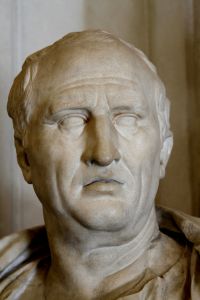
The concept of a deceiver holds a central place in literary and philosophical discussion, exploring the practice of deception and its moral, social, and psychological consequences. From Frederick Denison Maurice’s reflection on the transient nature of falsehood to Junius’s rhetorical challenge to accusations, writers have long wrestled with the image of the deceiver as both a personal weakness and a societal danger.
Whether through Cicero’s ethical analyses, Mary MacLane’s introspective admission of an inherent inclination toward deception, or Henry Watterson’s classification of lying as a human propensity, the theme demonstrates a range of viewpoints—from the condemnation of falsehood to its intricate relationship with truth. The deceiver, as these works show, is not simply a moral opponent but a reflection of humanity’s challenges with honesty and selfhood.
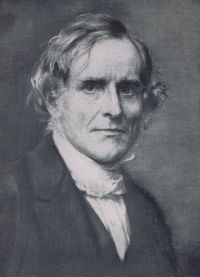 Frederick Denison Maurice,
The Gospel of St. John: A Series of Discourses
Frederick Denison Maurice,
The Gospel of St. John: A Series of Discourses