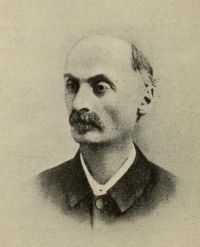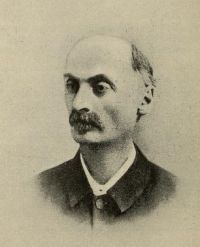
David George Hogarth

Biographical details

Portrait of David George Hogarth David George Hogarth,  1911 Encyclopædia Britannica (1911)

“ It was, indeed, long before the spread of Christianity threatened the old local cult. The city was proud to be termed neocorus or servant of the goddess. Roman emperors vied with wealthy natives in lavish gifts, one Vibius Salutaris among the latter presenting a quantity of gold and silver images to be carried annually in procession. Ephesus contested stoutly with Smyrna and Pergamum the honour of being called the first city of Asia; each city appealed to Rome, and we still possess rescripts in which the emperors endeavoured to mitigate the bitterness of the rivalry. ”
Source: Wikisource

Portrait of David George Hogarth David George Hogarth,  1911 Encyclopædia Britannica, Volume 12… (1911)

“ On this apex stood the chariot with the figure of Mausolus himself and an attendant. The height of the statue of Mausolus in the British Museum is 9 ft. 91/2 in. without the plinth. The hair rising from the forehead falls in thick waves on each side of the face and descends nearly to the shoulder; the beard is short and close, the face square and massive, the eyes deep set under overhanging brows, the mouth well formed with settled calm about the lips. ”
Source: Wikisource

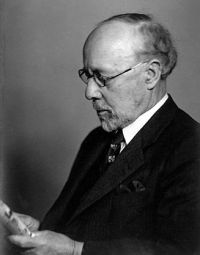
Portrait of David George Hogarth David George Hogarth,  1911 Encyclopædia Britannica (1911)

“ The deity of the city was Artemis; but we must guard against misconception when we use that name, remembering that she bore close relation to the primitive Asiatic goddess of nature, whose cult existed before the Ionian migration at the neighbouring Ortygia, and that she always remained the virgin-mother of all life and especially wild life, and an embodiment of the fertility and productive power of the earth. ”
Source: Wikisource

Get perspective with Kwize: daily news enlightened by great literature