Croesus, the ancient Lydian king celebrated for his riches and ultimate downfall at the hands of the Persians, symbolizes themes of arrogance, destiny, and cultural convergence. Historians such as Herodotus and Xenophon portray him as a leader torn between divine forces and military defeat, while writers like William H.
Walling and Erle Elsworth Clippinger reinterpret his name within stories that explore social commentary and ethical contemplation. From Persian expansions to literary metaphor, Croesus’s influence continues to serve as a framework for examining authority, fate, and human frailty, underscoring his lasting significance across various forms of expression and historical periods.
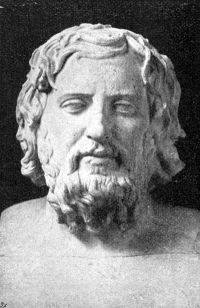 Xenophon,
Cyropaedia: The Education of Cyrus
Xenophon,
Cyropaedia: The Education of Cyrus