“ War horses, properly trained to their work, will fight with their hoofs with almost as much reckless determination as men will with spears. They rush madly on to encounter whatever opposition there may be before them, and strike down and leap over whatever comes in their way, as if they fully understood the nature of the work that their riders or drivers were wishing them to do. Cyrus, as he passed along from one part of the battle field to another, saw the horses of Abradates's line dashing thus impetuously into the thickest ranks of the enemy. ”
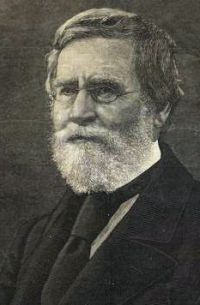
Jacob Abbott
Summary
Jacob Abbott’s Cyrus the Great (1852) is a narrative history detailing the ascent of the Persian king Cyrus II, emphasizing his military skill, moral dilemmas, and the growth of his empire. Focused on themes of authority, ambition, and the tension between modesty and royal opulence, the text examines Cyrus’s formative years under his grandfather Astyages, his calculated campaigns, and the sorrowful course of his reign.
Through compelling portrayals of warfare, palace maneuvering, and human vulnerability, Abbott depicts Cyrus as a leader whose virtuous origins gradually yield to the weight of rulership, resulting in a legacy defined by both success and self-reflection.
Quotes from Cyrus the Great (Jacob Abbott)
“ Nothing is more fluctuating than the caprice of a despot. Man, accustomed from infancy to govern those around him by his own impetuous will, never learns self-control. He gives himself up to the dominion of the passing animal emotions of the hour. It may be jealousy, it may be revenge, it may be parental fondness, it may be hate, it may be love—whatever the feeling is that the various incidents of life, as they occur, or the influences, irritating or exhilarating, which are produced by food or wine, awaken in his mind, he follows its impulse blindly and without reserve. ”
“ There was an abundance of meats of all kinds, and rich wines in great profusion. The soldiers gave themselves up for the whole day to merriment and revelry. The toils and the hard fare of the day before had prepared them very effectually to enjoy the rest and the luxuries of this festival. They spent the hours in feasting about their camp-fires and reclining on the grass, where they amused themselves and one another by relating tales, or joining in merry songs and dances. At last, in the evening, Cyrus called them together, and asked them which day they had liked the best. ”
