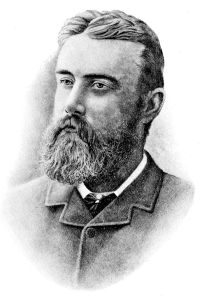
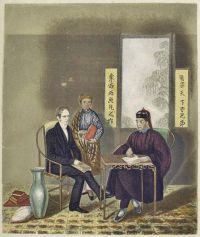
The term "mainland" refers to the continental or principal island part of a political entity, typically contrasting with peripheral islands or territories. Geopolitically and geographically, it indicates a central, more substantial landmass in comparison to remote areas. Authors such as Hubert Howe Bancroft described it as an expansive, green region, while Emma Helen Blair highlighted its size in contrast to islands.
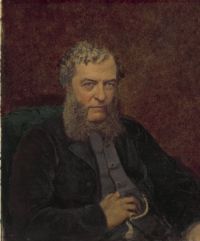
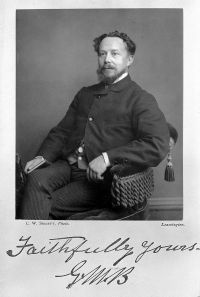
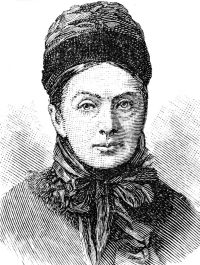
Hugh Charles Clifford associated it with colonial administrative borders, and Isabella Lucy Bird Bishop noted its dryness against island environments. Ernest Favenc and Albert Jenks examined its role in human movement and cultural interaction. The concept remains dynamic, reflecting both physical geography and political developments, as illustrated by its contested application in places like Taiwan or its significance in maritime travel.
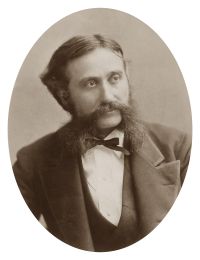 Hubert Howe Bancroft,
History of Central America, Volume 1…
Hubert Howe Bancroft,
History of Central America, Volume 1…