Melanesia

Definition and stakes

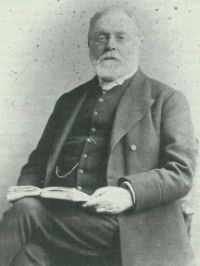
Portrait of Robert Henry Codrington Robert Henry Codrington,  The Melanesians: Studies in their Anthropology and Folklore (1891)

“ Nor is it any wonder that, believing that such a thing as what we call a soul exists in connexion with the body which they see, they speak of and conceive of the soul when separate from the body as if it were in some form and shape visible to the eyes. Thinking, to Melanesia natives at any rate, is like seeing ”
Source: Wikisource

Portrait of Charlotte M. Yonge Charlotte M. Yonge,  Life of John Coleridge Patteson…

“ Again I go by God's blessing for seven months to Melanesia. All that our experience has taught us we try to remember: food, medicine, articles of trade and barter.
'But what may be the result? Who can tell? You know it is not of myself that I am thinking. If God of His great mercy lead me in His way, to me there is little worth living for but the going onward with His blessed work, though I like my talks with the dear Bishop and the Judge. But others are committed to me—Mr. Pritt and Mr. Kerr go with me. Shall I find dear old Wadrokala and Harper alive, and if alive, well?
”
Source: Gutenberg

Portrait of Émile Durkheim Émile Durkheim,  The Elementary Forms of the Religious Life

“ This is clearly shown by an example from Melanesia. The Melanesians believe that men have souls which leave the body at death; it then changes its name and becomes what they call a tindalo, a natmat, etc. Also, they have a cult of the souls of the dead: they pray to them, invoke them and make offerings and sacrifices to them. But every tindalo is not the object of these ritual practices; only those have this honour which come from men to whom public opinion attributed, during life, the very special virtue which the Melanesians call the mana. ”
Source: Gutenberg

Get perspective with Kwize: daily news enlightened by great literature