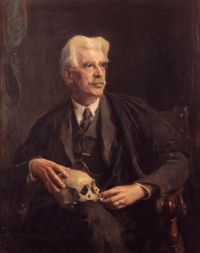
Mana, a concept central to Polynesian and Melanesian cultures, denotes a supernatural force permeating the universe, embodying power, influence, and spiritual potency. Scholars like Robert Ranulph Marett associated it with pre-animistic beliefs, while Émile Durkheim emphasized its function in explaining everyday occurrences through collective effervescence.
Authors such as Crawford Howell Toy stressed that mana resides in particular individuals or objects, differentiating it from worship itself. Contemporary analyses highlight its dual role as both a cultural emblem and a universal anthropological archetype, connecting material and spiritual domains. This interplay of tradition and scholarly investigation underscores mana’s lasting importance in understanding human religiosity and social structures.