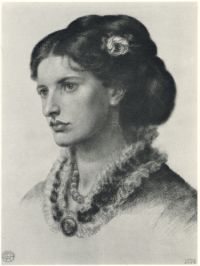
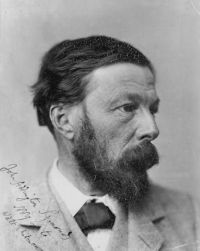
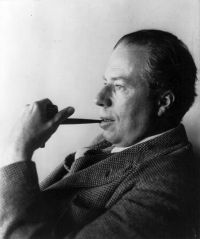
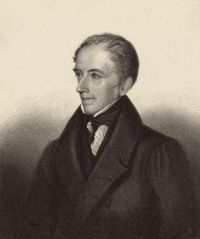
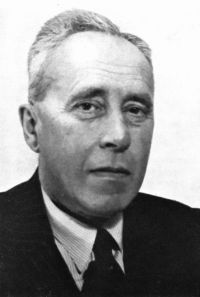
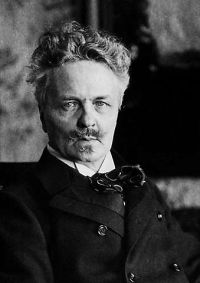
Giovanni Boccaccio (1313–1375), an Italian poet and prose writer, stands as a pivotal figure in the Renaissance, renowned for works like The Decameron, a collection of 100 tales framed by a group of young people fleeing the Black Death. His innovative use of Tuscan vernacular and vivid realism set him apart from his medieval predecessors. Authors such as Edward Hutton explored Boccaccio’s biographical nuances, while Lucy Madox Brown Rossetti emphasized his role in advancing Greek studies, highlighting his humanist ethos.
Agnes Mary Frances Duclaux noted his impact on 16th-century French literature through translations, and Katharine Haviland-Taylor connected his narratives to Florence’s plague-ravaged past. Boccaccio’s legacy lies in bridging medieval and Renaissance thought, shaping European literature through his blend of myth, satire, and humanist ideals.
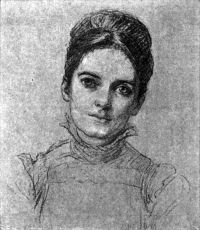 Agnes Mary Frances Duclaux,
Margaret of Angoulême, Queen of Navarre
(1886)
Agnes Mary Frances Duclaux,
Margaret of Angoulême, Queen of Navarre
(1886)