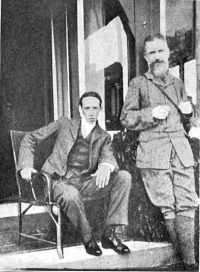
Breeches, a garment traditionally covering the legs from the waist to the knee, have fulfilled both practical and symbolic functions across cultures and eras. From literary portrayals of their use in conflict and daily life to anthropological descriptions of their making in Arctic and colonial settings, authors such as William Farquhar Payson, Franz Boas, and Archibald Henderson emphasize their adaptability—whether as sources of contention, survival equipment, or indicators of identity.
These diverse viewpoints reveal breeches not simply as apparel but as expressions of social dynamics, environmental adaptation, and cultural interaction, weaving a rich narrative of human experience through fabric and form.