Steppe

Definition and stakes

Stepan Rudnytskyi,  Ukraine, the land and its people (1918)

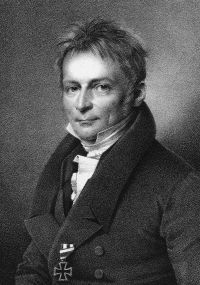
“ Only along the large streams of the steppe country does the nature of the land change. Their valleys are broad and swampy, covered by the so-called plavni. Interminable thickets of sedge and seeds, marsh forest and meadows, together with innumerable river branches, old river beds, and small lakes, make up a beautiful, fresh, verdant country in the midst of the boundless steppe, whose vernal dress, resplendent with blossoms, turns yellow and blackish-brown in summer and fall, from the fierce glow of the sun. ”
Source: Gutenberg

Portrait of Alfred Nicolas Rambaud Alfred Nicolas Rambaud,  History of Russia — Chapter 1 (1898)

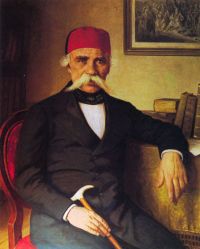
“ The vegetation of the steppe, where men and flocks can hide themselves as in a forest, is often five, six, and even eight feet high. This monotonous steppe, unbroken except by the barrows that cover the bones of early races,—this steppe, which is an ocean of verdure in spring, but russet and burnt up in the autumn, is very dear to her children. ”
Source: Wikisource

graf Leo Tolstoy,  The Cossacks: A Tale of 1852

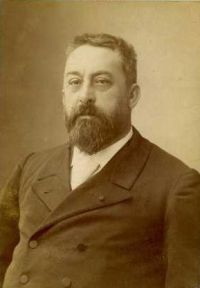
“ Three miles beyond the village the steppe spread out and nothing was visible except the dry, monotonous, sandy, dismal plain covered with the footmarks of cattle, and here and there with tufts of withered grass, with low reeds in the flats, and rare, little-trodden footpaths, and the camps of the nomad Nogáy tribe just visible far away. The absence of shade and the austere aspect of the place were striking. The sun always rises and sets red in the steppe. When it is windy whole hills of sand are carried by the wind from place to place. ”
Source: Gutenberg

Get perspective with Kwize: daily news enlightened by great literature