The toe, a digit of the foot in tetrapods, plays both functional and anatomical roles, distinguishing digitigrade animals like cats from plantigrade humans. Structurally, human toes are composed of phalanx bones, with the hallux (big toe) containing two and the others three, while their arrangement and proportions vary genetically, influencing foot form.
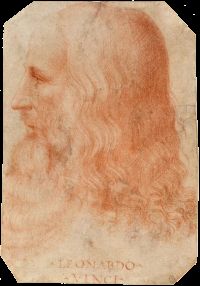
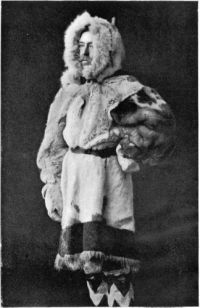
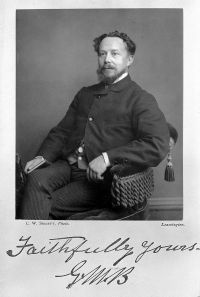
Authors such as Leonardo da Vinci highlighted the toe’s proportional importance in human anatomy, while John Lord Peck critiqued the effects of footwear on toe shape, emphasizing cultural and medical concerns. E. C. Bridgman observed historical practices of compressing toes, and Thomas Huxley compared human toes with those of other species, underscoring their evolutionary significance. These perspectives collectively reveal the toe as a hub of biology, function, and human interaction, shaped by both natural variation and societal customs.
 E. C. Bridgman,
Letters to Children
E. C. Bridgman,
Letters to Children